 Business License

How Does An Intermediate Roll Support The Cold Rolling Process?
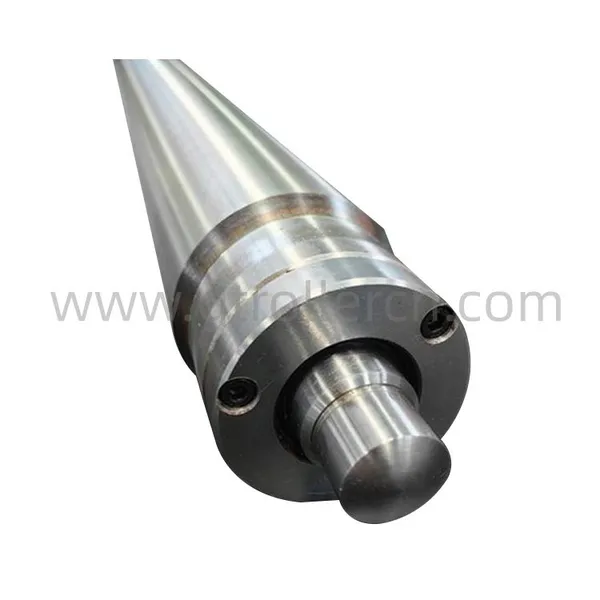
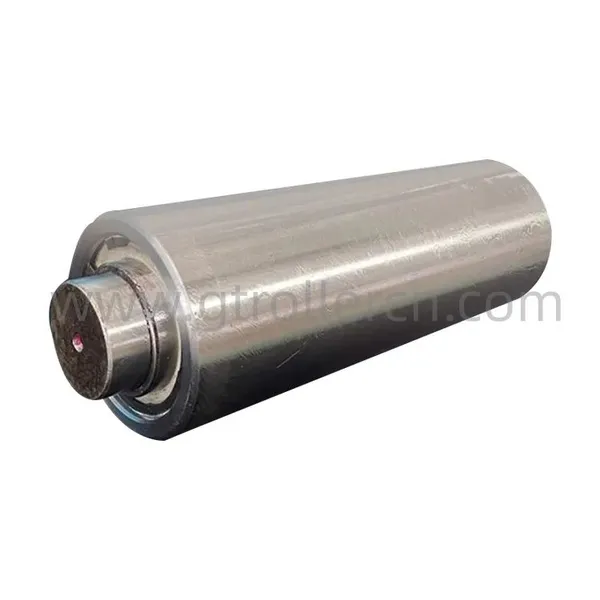
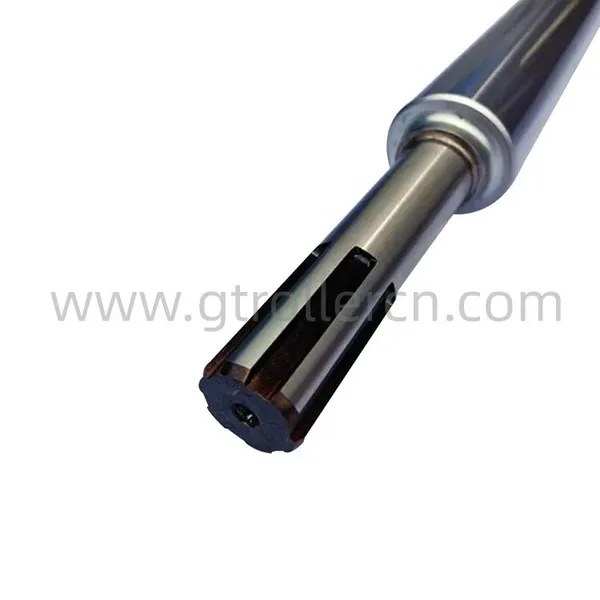
An intermediate roll is a middle-layer roll installed between the work roll and the Backup Roll in a multi-roll cold rolling mill, most commonly in 12-high and 20-high configurations such as the Sendzimir mill.
In a standard four-high mill you have two layers of Rolls: a work roll on top of a backup roll. That works fine for many products. But when you need to roll thin, hard, or wide strip, the work roll has to stay very small in diameter to keep the rolling load low and the reduction high. A small work roll is weak and bends easily, so it cannot handle the load alone. That is where the intermediate roll comes in.
A 20-high mill, for example, stacks two layers of intermediate rolls above each work roll. The first intermediate rolls sit directly on the work roll, and the second intermediate rolls sit above them, supported by the saddle bearings and the backup roll assembly. Every layer carries part of the load and gives the mill its stiffness.
The Main Functions of the Intermediate Roll
The intermediate roll does more than one job, and each job matters for a different reason.
1. Transferring the Rolling Force
The most basic function is mechanical. The rolling force generated by the mill housing has to travel down to the work roll, and the intermediate roll is the link in the middle. It spreads the concentrated load from the backup bearings across a wider contact area so the small work roll is not crushed or deflected beyond its limit.
Without this layer, the load would concentrate on a narrow line and the work roll would bend, producing strip that is thick in the middle and thin at the edges. The intermediate roll spreads that pressure evenly, which is exactly what you need for consistent thickness across the strip width.
2. Controlling Strip Shape and Flatness
This is the function most operators care about. In many multi-roll mills, the intermediate roll can be shifted axially, meaning it slides sideways along its length while the mill is running.
Why does that matter? Because the gap between the work rolls is not perfectly uniform across the width. Heat, roll wear, and incoming strip profile all change the shape of the gap. By shifting the intermediate roll, you move the effective roll contour toward the strip edges, changing the pressure there. This lets you correct waves, buckles, and center or edge strain while the strip is still in the mill.
In simple terms, axial shifting of the intermediate roll is one of the fastest and most reliable ways to keep the strip flat, and it can be adjusted without changing rolls or stopping the line.
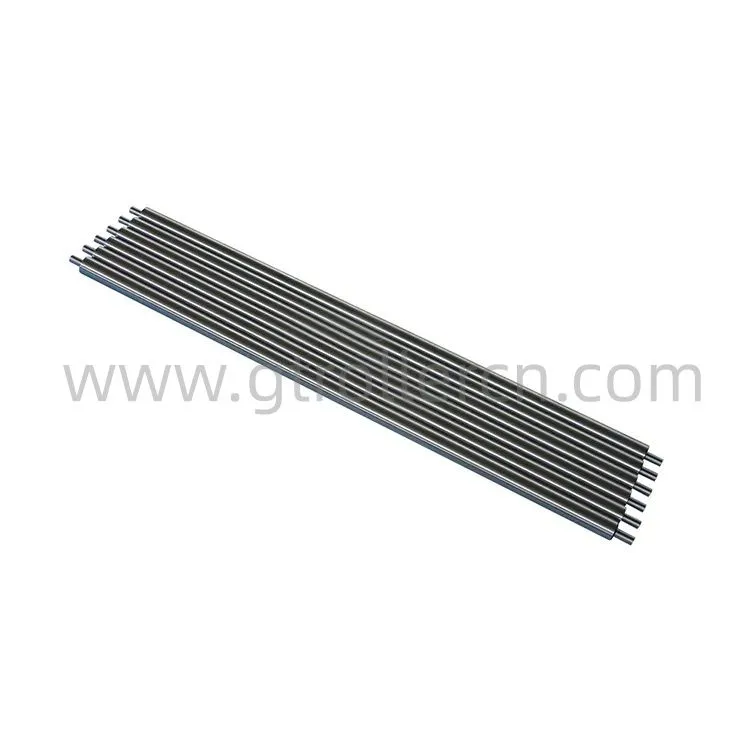
3. Supporting the Work Roll and Reducing Bending
A thin work roll bends under load, and the bend shows up directly in the strip profile. The intermediate roll holds the work roll up along its length, dramatically cutting the amount of bending. With better support, the mill can roll wider and harder material while keeping a tighter thickness tolerance.
This support also means the work roll does not have to be stiffened by increasing its diameter. You keep the small work roll that gives you the reduction you want, and the intermediate roll handles the stability. It is a good balance between capability and control.
4. Protecting Surface Quality and Distributing Wear
Because the intermediate roll carries a large share of the load, it also takes a lot of the wear. By design, that wear lands on a roll that is easier and cheaper to replace than the work roll, and it protects the strip surface from the stress concentrations that cause marks and defects.
A well-maintained intermediate roll also keeps the contact pressure uniform, which reduces the chance of localized heating, roll spalling, or surface scratches on the finished strip. For people producing automotive or appliance-grade steel, this surface protection is often the difference between a good coil and a rejected one.
How Axial Shifting Actually Controls Flatness
To picture it, imagine the work roll gap as a slightly flexible surface. When the incoming strip has a heavy center, the strip runs tight in the middle and loose at the edges, which makes wavy edges. When the strip has heavy edges, you get center buckle instead.
Shifting the intermediate roll sideways changes the contact geometry near the strip edge. The angled contour of the shifted roll effectively increases or decreases pressure at the edge, pushing the strip flat. Because this happens while rolling, the operator or the automatic gauge control system can correct shape in real time, coil after coil, without losing production time.
This is why intermediate rolls in modern mills are paired with hydraulic shifting cylinders and measured by shape-meters, not adjusted by feel. The combination of precise shifting and continuous feedback is what keeps modern thin strip flat at high speed.
Recently Posted
-
Can Straightening Roll Profiles And Sizes Be Made To Order?
November 18, 2026Off-the-shelf options work for common sizes, but they often leave marks, struggle with special profiles, or cannot hit your target Read More
-
How Many Operating Hours Pass Before A Leveler Roll Cassette Needs Servicing?
November 18, 2026Many plant operators wait until flatness errors or strange noises appear before touching their leveling equipment. This reactive a Read More
-
Steps for Adjusting and Aligning Straightening Rolls
November 12, 2026Many operators rush the setup, crank adjustment screws too far, or skip alignment checks, then wonder why the material twists, mar
Read More -
The Functions of Scale Breaking Work Roll
November 12, 2026If you work with steel pickling lines or tension leveling equipment, you have probably noticed how stubborn oxide scale can be. Th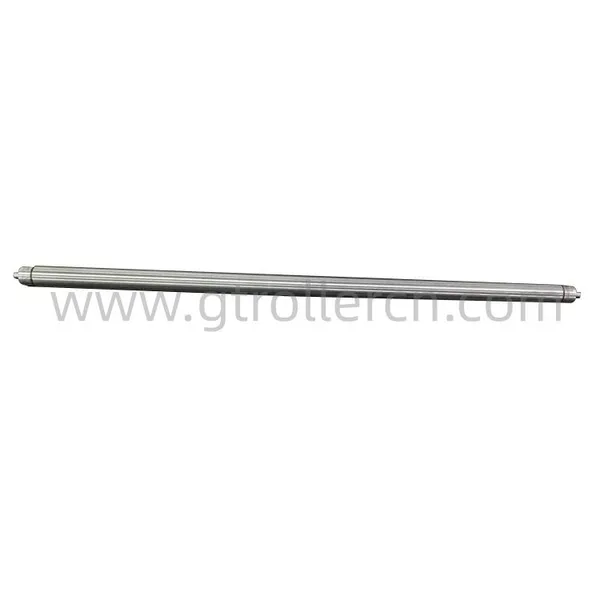 Read More