 Business License

The Functions of Scale Breaking Work Roll
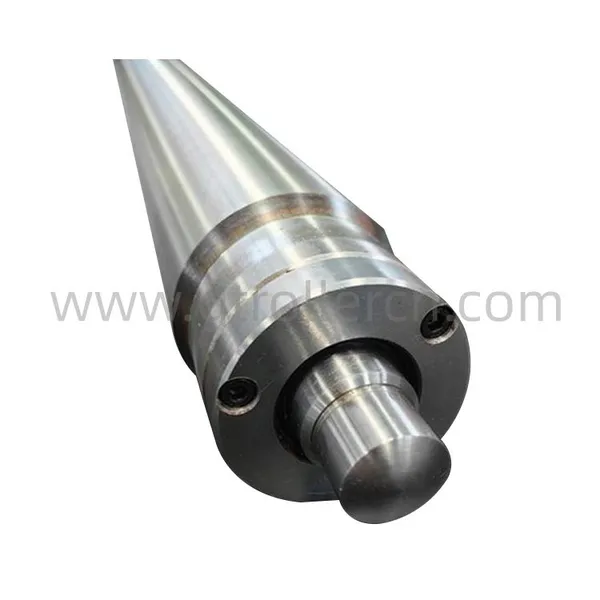
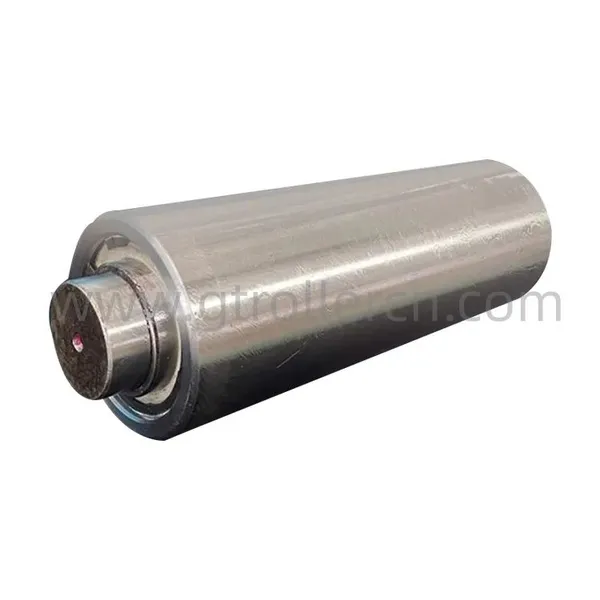
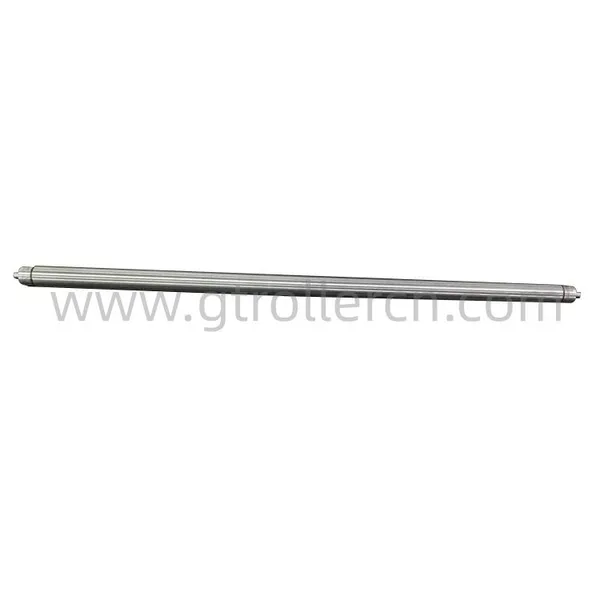
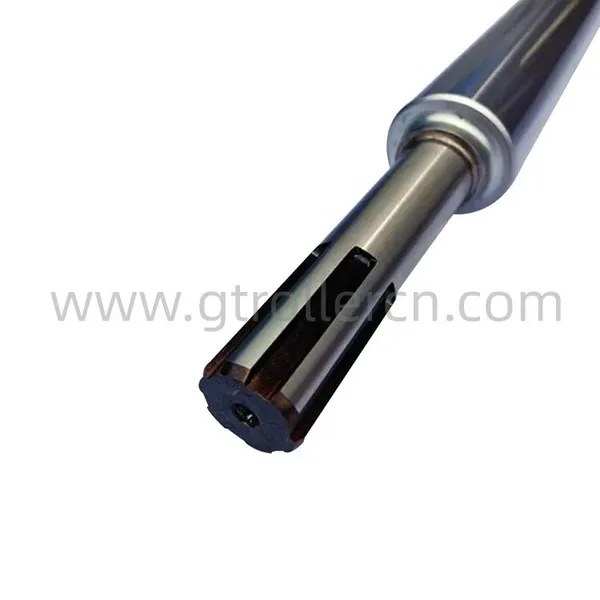
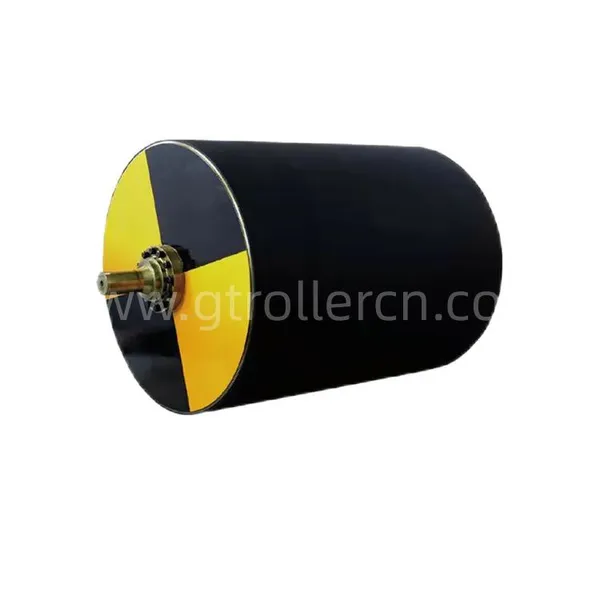
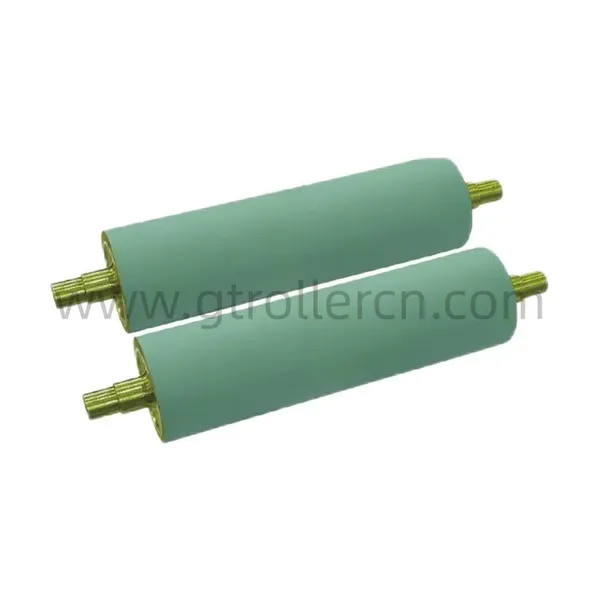
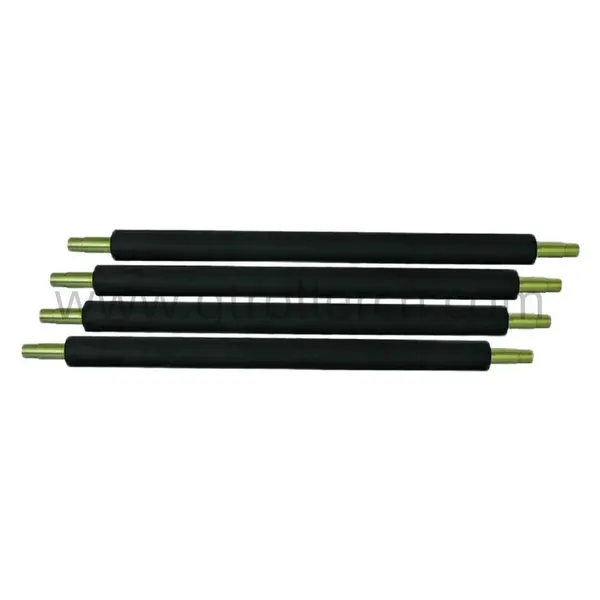
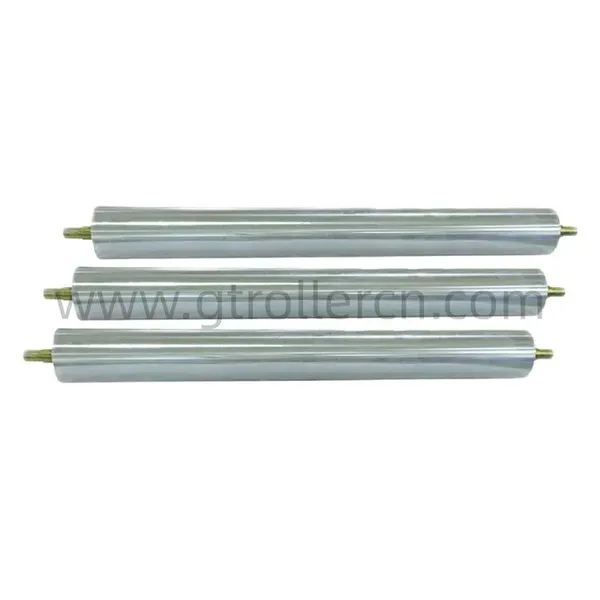
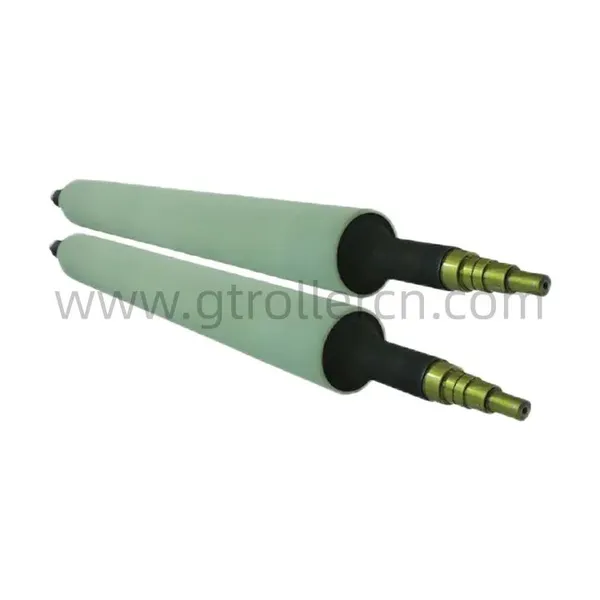
If you work with steel pickling lines or tension leveling equipment, you have probably noticed how stubborn oxide scale can be. Thin, brittle iron oxide sticks tightly to hot rolled strip, and it is hard for acid to reach underneath without extra mechanical help. This is where a scale breaking work roll comes into play. It does not remove scale by scraping or blasting. Instead, it creates controlled bending and tension so the oxide layer splits open, supporting the downstream pickling process and improving final strip surface quality.
Core Functions In The Steel Processing Line
The main job of this roll is mechanical scale cracking. Hot rolled steel forms a continuous oxide layer after heating and rolling. This scale is far less flexible than the steel substrate. When the strip wraps around the curved surface of the Scale breaking work roll, it bends slightly. The steel stretches and recovers, while the brittle oxide cannot follow the deformation. Tiny cracks spread across the scale surface. Those cracks let pickling liquid penetrate deeper and dissolve the oxide faster and more evenly.
Beyond breaking scale, the roll also helps stabilize strip travel. Many pickling lines run at steady speeds, and unstable strip path can cause uneven contact, local over-pickling or missed scale areas. Properly sized and ground Rolls keep the strip wrapped at a consistent angle, maintaining uniform tension across the full strip width. That consistency directly reduces surface defects such as scale patches and pickling streaks on finished coils.
It also supports line efficiency. Lines with reliable scale breaking usually run at stable speed without frequent slowdowns for poor descaling. Operators spend less time adjusting acid concentration to compensate for hard-to-reach scale. When paired with well-maintained bridle rolls, the scale breaking section keeps strip shape flat and reduces wavy edges before the strip enters the pickling tank.
Practical Factors That Affect Working Performance
Roll surface condition matters most in daily operation. Small scratches, thermal cracks or local wear spots can leave marks on the strip and create uneven bending. Operators usually schedule periodic inspection and regrinding when surface profile deviates beyond tolerance.
Cooling and lubrication also influence service life. Even though the roll mainly contacts acid-free strip before pickling, residual heat from incoming hot rolled coils builds up on the roll surface. Without proper cooling, repeated thermal cycles can gradually cause surface fatigue and flaking. Good cooling control keeps the roll surface stable and extends the interval between regrinds.
Strip tension setting needs careful tuning. Too little tension gives weak scale cracking and poor pickling results. Too much tension risks over-stretching the strip and changing flatness. The scale breaking section works best when tension stays below the material yield point, enough to bend the oxide layer without permanent strip deformation.
FAQ
What is the difference between scale breaking work roll and a standard work roll?
Standard work rolls for rolling mills reduce strip thickness under heavy compression. The scale breaking work roll focuses on bending and tension to crack oxide scale. It does not perform thickness reduction, so its design prioritizes stable surface finish and controlled bending rather than high compression load.
Can the scale breaking work roll be reground after surface wear?
Yes, most rolls can be reground multiple times as long as the remaining shell thickness stays above the safe limit. Regrinding removes scratches, fatigue cracks and worn profiles. After regrinding, operators should verify diameter, surface roughness and hardness before reinstallation. Severe deep spalling or body cracks usually mean the roll cannot be reused.
Which production lines use this roll most often?
It is commonly installed on continuous pickling lines and tension leveling lines for hot rolled carbon steel and stainless steel. It sits at the entry side of pickling tanks, right after bridle rolls, to prepare the strip before chemical descaling.
Why does incomplete scale breaking cause coil quality problems?
Uncracked scale blocks pickling liquid. Areas covered by intact oxide will remain after acid treatment. Those leftover scale spots become surface defects, affecting painting, galvanizing and subsequent cold rolling. Poor scale breaking can also increase acid consumption and slow down the whole line.
Recently Posted
-
Can Straightening Roll Profiles And Sizes Be Made To Order?
November 18, 2026Off-the-shelf options work for common sizes, but they often leave marks, struggle with special profiles, or cannot hit your target Read More
-
How Many Operating Hours Pass Before A Leveler Roll Cassette Needs Servicing?
November 18, 2026Many plant operators wait until flatness errors or strange noises appear before touching their leveling equipment. This reactive a Read More
-
Steps for Adjusting and Aligning Straightening Rolls
November 12, 2026Many operators rush the setup, crank adjustment screws too far, or skip alignment checks, then wonder why the material twists, mar
Read More -
What Level Of Accuracy Can A Refurbished Roll Cassette Achieve?
November 4, 2026If you run a forming, drawing or leveling line, you know how much a worn Roll Cassette can hurt your output. Parts shift, toleranc Read More