 Business License

Can Straightening Roll Profiles And Sizes Be Made To Order?
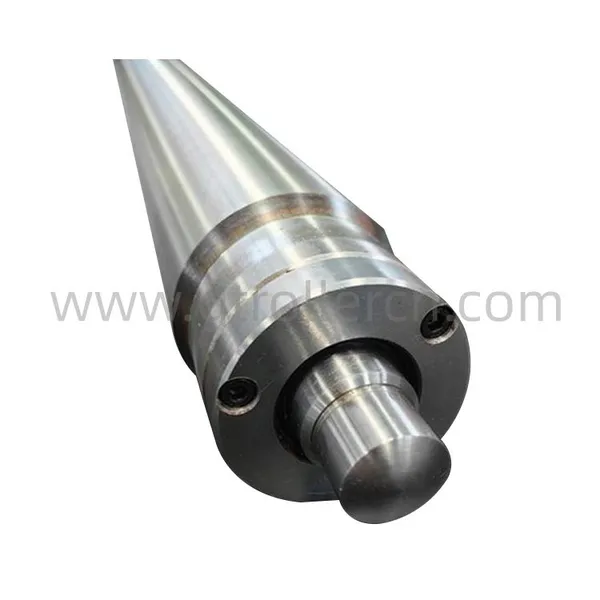
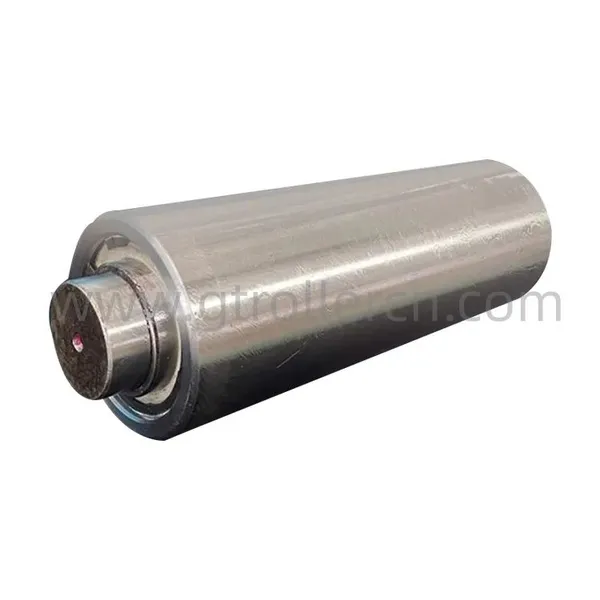
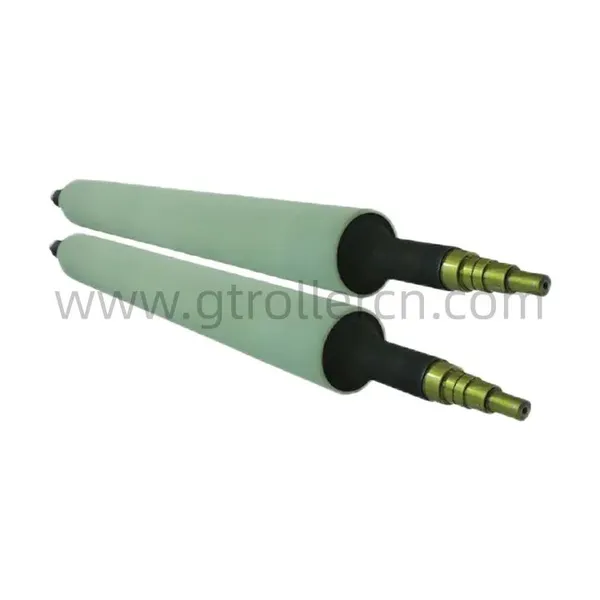
Off-the-shelf options work for common sizes, but they often leave marks, struggle with special profiles, or cannot hit your target straightness tolerance. Many operators assume all roll dimensions are fixed, but that is not the case. Straightening Rolls can be tailored to match your material shape, machine mounting space and quality requirements. This article breaks down what customization covers, what details you need to provide, and how custom design changes your production results.
What Custom Options Are Available For Profile And Size
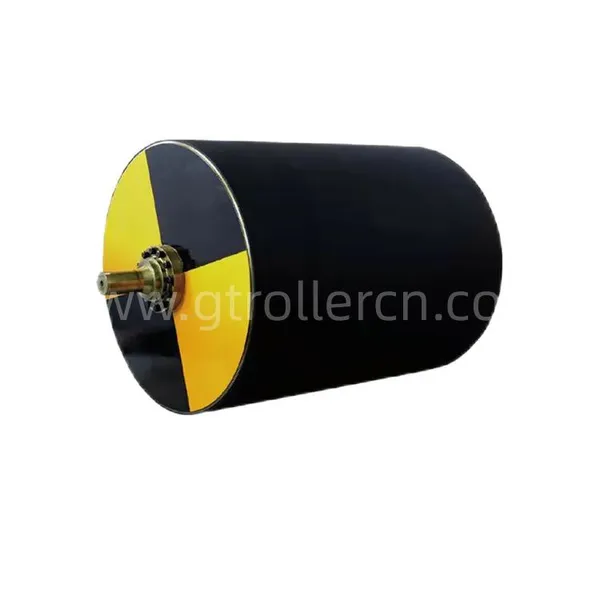
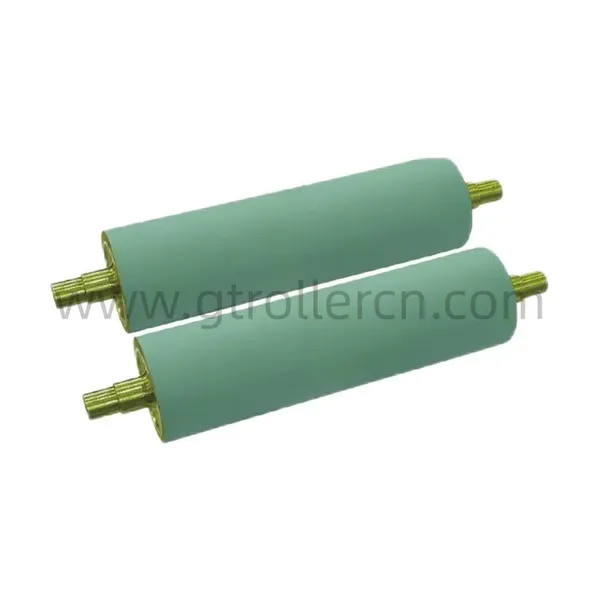
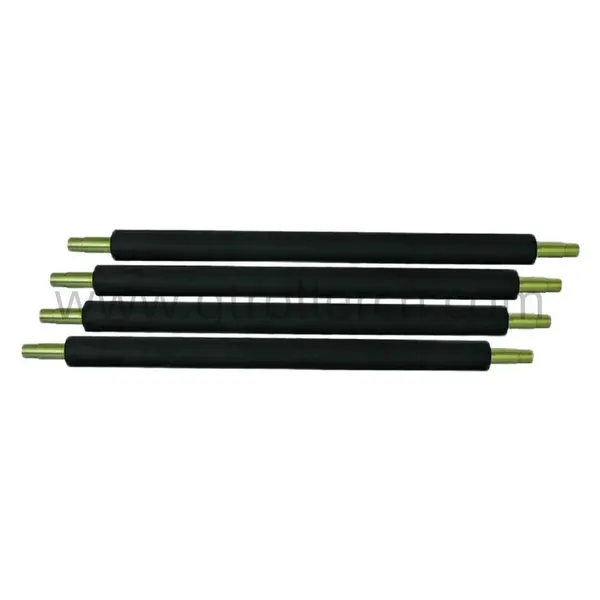
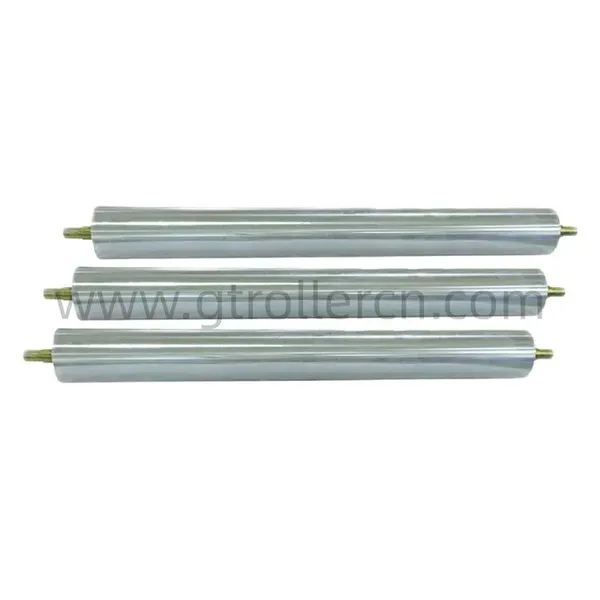
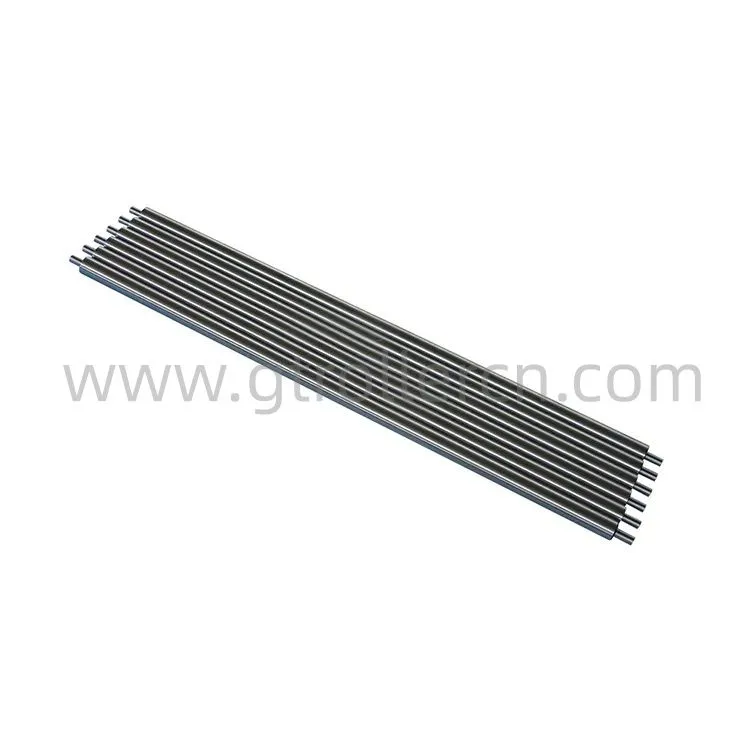
Customization does not only mean changing the outer diameter or length. It covers barrel profile, groove shape, shaft dimensions, surface finish and hardness matching. A flat cylindrical profile is the most common for wide metal strips, while V-grooves, rounded grooves and hyperbolic curves are used for round bars, tubes and wire. The right profile spreads contact pressure evenly and prevents local indentation on the workpiece surface.
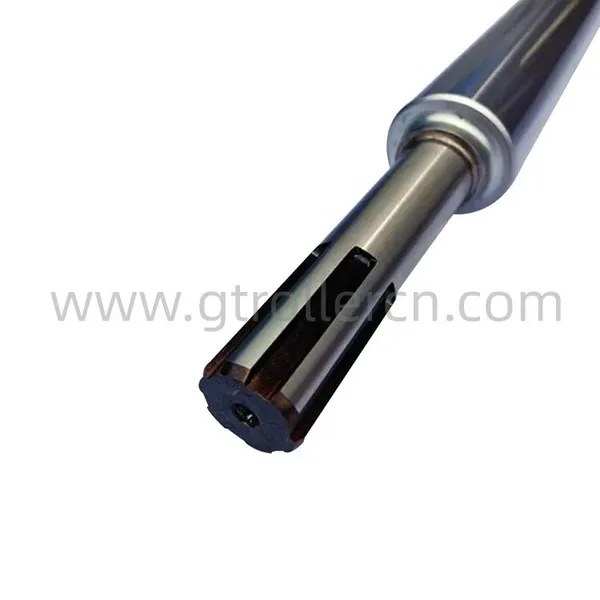
Size customization includes barrel diameter, effective working length, roll neck diameter, keyway size and bearing seat dimensions. All these dimensions must align with your existing straightener frame, shaft spacing and feed path. If the roll neck or mounting hole does not match, even a perfectly machined barrel will not install correctly.
Key Information Needed Before Custom Machining
Machine And Mounting Specifications
The first set of details relates to your machine. You will need to share the shaft diameter, bearing type, roll center distance and maximum opening stroke. A custom roll must fit the original assembly without modification to the machine frame. Changing the roll barrel size while ignoring the mounting interface will lead to vibration and unstable feeding.
Workpiece Material And Target Straightness
Material properties decide the roll hardness and profile design. Soft aluminum and copper require smoother surface finishes and gentle contact curves, while high-strength steel and alloy bars need harder roll surfaces and optimized pressure distribution. You should also state your straightness tolerance, such as mm per meter, so the profile can be calculated to compensate for deflection under load.
Operating Conditions And Line Speed
Continuous high-speed lines generate more heat and contact stress, so the roll design may include modified edge relief or improved hardening depth. Batch production at low speed has lower wear demands, so the focus can stay on surface finish and scratch control.
Frequently Asked Questions
Is custom design always better than standard Straightening Rolls?
Not always. Standard Rolls are cost-effective and fast to replace if your material falls within the regular size range. Custom versions add lead time and higher machining cost, but they deliver better stability and fewer rejected parts when you process special tube shapes, narrow wire or high-precision strip. It is a trade-off between upfront cost and long-term scrap reduction.
Can I modify existing rolls to get a new profile?
It depends on the remaining material allowance. Minor crown adjustment or light regrinding of grooves is possible if enough wall thickness remains. If you need a completely different groove shape or a large diameter change, reworking is not reliable. In this situation, new custom machining is the safer choice.
What documents should I submit for a custom roll request?
Technical drawings are ideal. If you do not have formal drawings, you can send a sample workpiece, photos of the installed roll, and a list of key dimensions including outer diameter, barrel length, neck size and groove radius. Clear notes on material type, line speed and straightness requirement help avoid repeated revisions.
Are there any limits to profile customization?
Yes. Extremely deep grooves or very thin barrel sections can reduce roll strength and risk bending or cracking under heavy load. The design will balance the required groove shape with mechanical safety. In some cases, the design may suggest splitting one roll into two or adjusting the radius to keep the assembly durable.
Recently Posted
-
How Many Operating Hours Pass Before A Leveler Roll Cassette Needs Servicing?
November 18, 2026Many plant operators wait until flatness errors or strange noises appear before touching their leveling equipment. This reactive a Read More
-
Steps for Adjusting and Aligning Straightening Rolls
November 12, 2026Many operators rush the setup, crank adjustment screws too far, or skip alignment checks, then wonder why the material twists, mar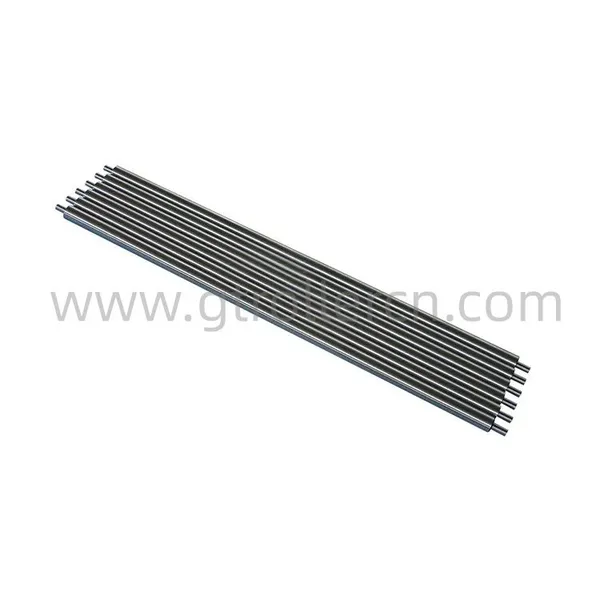 Read More
-
The Functions of Scale Breaking Work Roll
November 12, 2026If you work with steel pickling lines or tension leveling equipment, you have probably noticed how stubborn oxide scale can be. Th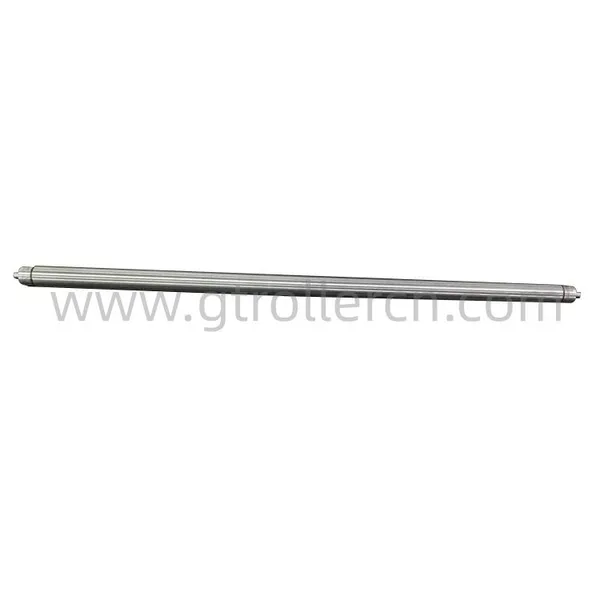 Read More
-
What Level Of Accuracy Can A Refurbished Roll Cassette Achieve?
November 4, 2026If you run a forming, drawing or leveling line, you know how much a worn Roll Cassette can hurt your output. Parts shift, toleranc Read More