 Business License

How Many Operating Hours Pass Before A Leveler Roll Cassette Needs Servicing?
Many plant operators wait until flatness errors or strange noises appear before touching their leveling equipment. This reactive approach often leads to longer stops and higher repair costs. A Leveler Roll Cassette works best when it follows a steady, planned maintenance routine, and the right schedule depends on your material type, line speed, and daily operating hours. This article walks through realistic intervals, key checks, and warning signs that tell you service cannot wait.
Core Factors That Change Maintenance Intervals
No single timeline fits every production setup. The same unit can need monthly checks in a heavy-duty line and quarterly checks in lighter, intermittent work. The three biggest variables are workpiece material, operating load, and working environment.
Hard alloys, high-carbon steel, and coated strips cause faster roll surface wear than soft aluminum or mild steel. Lines running two or three shifts every day accumulate contact hours far faster than lines that run only a few hours each week. Dust, scale, and residual cutting fluid also accelerate bearing wear and surface scoring.
What Each Maintenance Stage Covers
Routine Visual And Surface Inspection
The most frequent check is simple and quick. Operators look for roll surface scratches, pitting, built-up material residue, seal leakage, and unusual vibration. This is the easiest way to catch small problems before they affect strip flatness. Even a tiny scratch on the working roll can leave marks across your finished product.
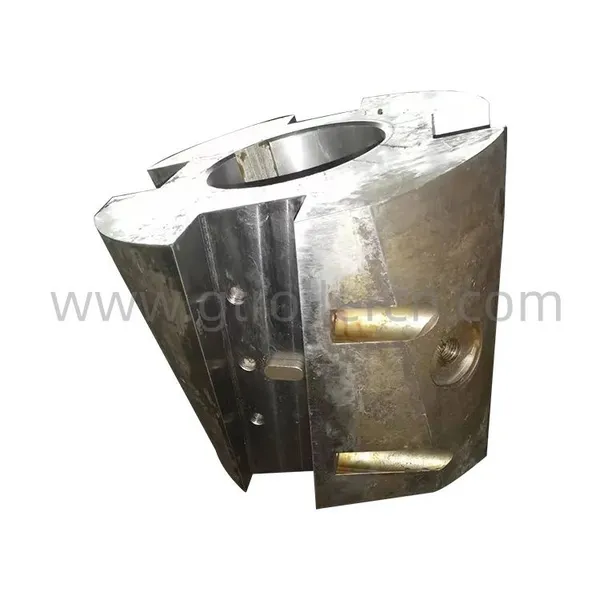
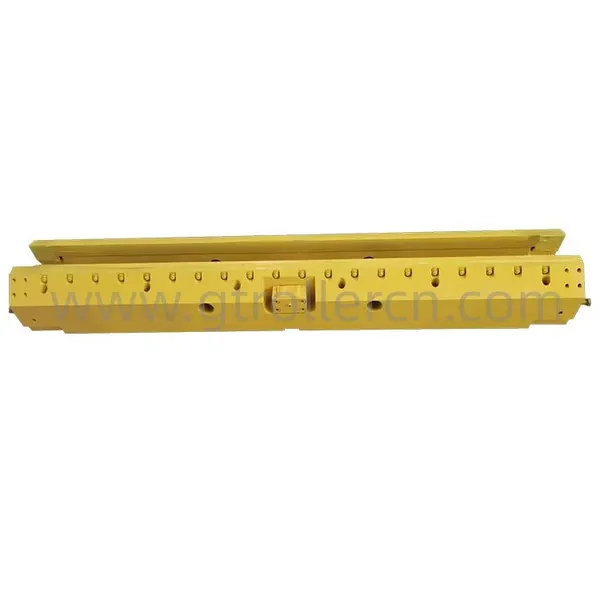
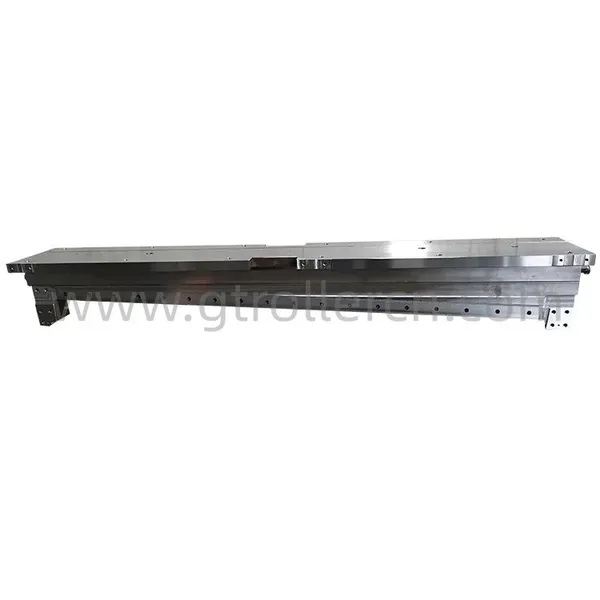
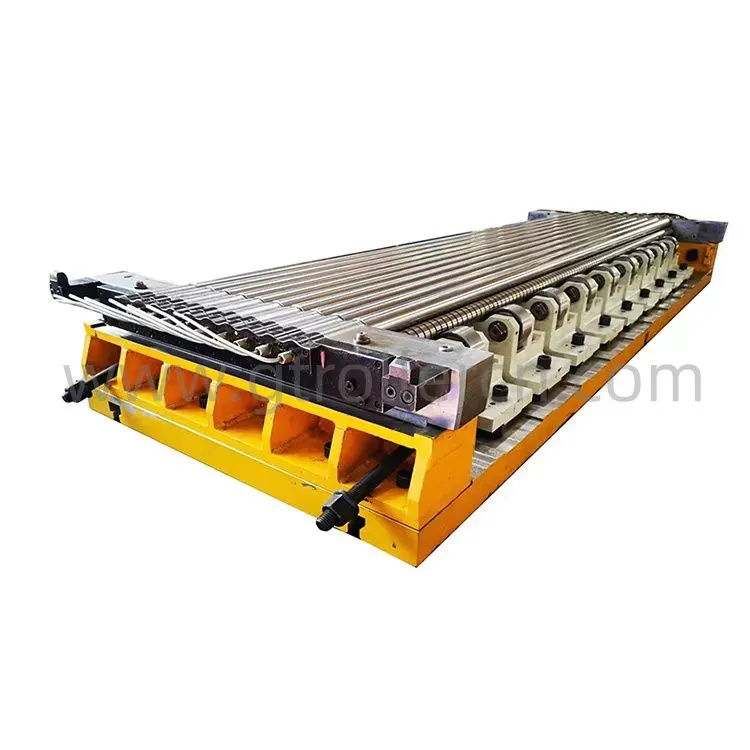
This is also the step to confirm that the leveler Roll Cassette stays clean. Scale and metal debris trapped between rolls and back-up supports will create uneven pressure and speed up wear.
Lubrication And Seal Condition Checks
Bearings and internal seals are common failure points. Dry lubrication or contaminated grease will raise operating temperature and create runout. When checking lubrication, technicians confirm grease quality, check for metal particles in the lubricant, and verify that seals stay intact to block dust and coolant. Over-lubrication can be just as harmful as under-lubrication, so follow the recommended fill volume carefully.
Precision Calibration And Runout Testing
Visual checks cannot catch subtle dimensional changes. At set hour marks, technicians measure roll runout, check gap consistency, and verify flatness output. If runout exceeds the specified tolerance, the roll set may need regrinding before it creates rejected strips. This calibration step keeps your leveling accuracy stable over long runs.
Full Disassembly And Overhaul
Full service means taking the assembly apart, cleaning every component, inspecting bearing races, regrinding rolls when allowed, and replacing worn seals. This work takes more time, so most teams schedule it during planned line shutdowns. Overhaul is not the same as regular inspection; it restores the unit close to its original performance standard.
Frequently Asked Questions
Can I stick strictly to hour-based schedules no matter what?
Hour-based schedules are your baseline, but you must also watch for real-world warning signs. If you start seeing consistent flatness defects, surface marks, rising bearing temperature, or loud knocking sounds, service should happen immediately, even if you have not hit the target operating hours.
What is the difference between inspection, regrinding and replacement?
Inspection confirms current condition. Regrinding removes surface damage within the allowed diameter tolerance. Once roll diameter falls outside the acceptable range or the hard coating is fully lost, regrinding is no longer enough and roll replacement is required.
Should maintenance records be kept for the leveler roll cassette?
Yes. A simple log with operating hours, inspection date, measured runout, lubrication work, and component changes helps you spot wear trends. Records also make it easier to forecast future overhaul windows and budget for spare parts.
Does storage time affect maintenance needs?
Yes. If the cassette sits idle for weeks or months, static seal degradation and grease separation can happen. Before returning it to production, perform a full inspection and lubrication check, even if it had recent service before storage.
Recently Posted
-
Can Straightening Roll Profiles And Sizes Be Made To Order?
November 18, 2026Off-the-shelf options work for common sizes, but they often leave marks, struggle with special profiles, or cannot hit your target Read More
-
Steps for Adjusting and Aligning Straightening Rolls
November 12, 2026Many operators rush the setup, crank adjustment screws too far, or skip alignment checks, then wonder why the material twists, mar
Read More -
The Functions of Scale Breaking Work Roll
November 12, 2026If you work with steel pickling lines or tension leveling equipment, you have probably noticed how stubborn oxide scale can be. Th Read More
-
What Level Of Accuracy Can A Refurbished Roll Cassette Achieve?
November 4, 2026If you run a forming, drawing or leveling line, you know how much a worn Roll Cassette can hurt your output. Parts shift, toleranc Read More