 Business License

What Level Of Accuracy Can A Refurbished Roll Cassette Achieve?
If you run a forming, drawing or leveling line, you know how much a worn Roll Cassette can hurt your output. Parts shift, tolerances drift, and you start getting more scrap even when the rest of the machine seems fine. A lot of plant managers ask the same question: after a full rebuild, will this unit go back to the tight accuracy it had when it was new? The short answer is that it can, but the result depends entirely on what work is completed and how thoroughly it is verified. Not every rebuild delivers factory-level performance, and skipping critical inspection steps will leave you with the same headaches down the line.
What defines original precision for a roll cassette
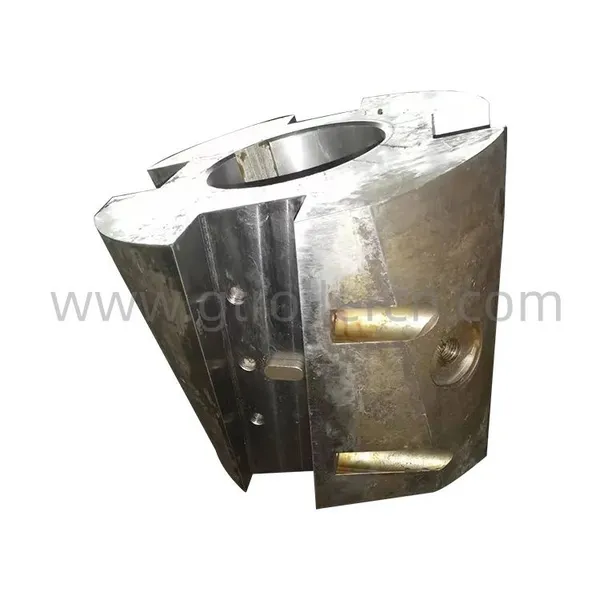
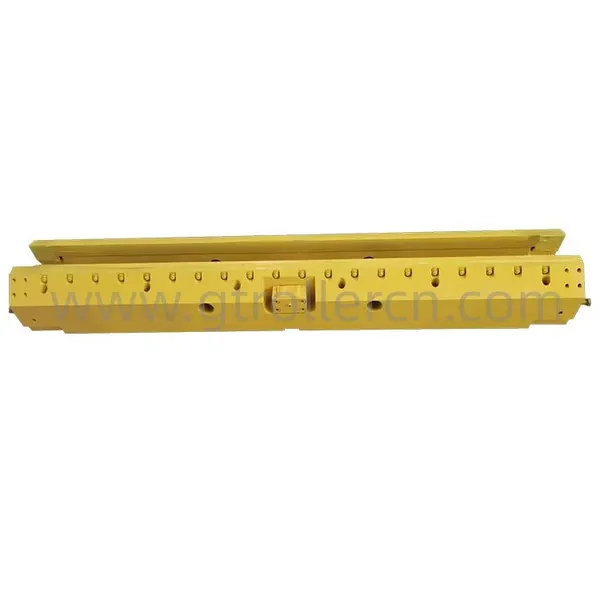
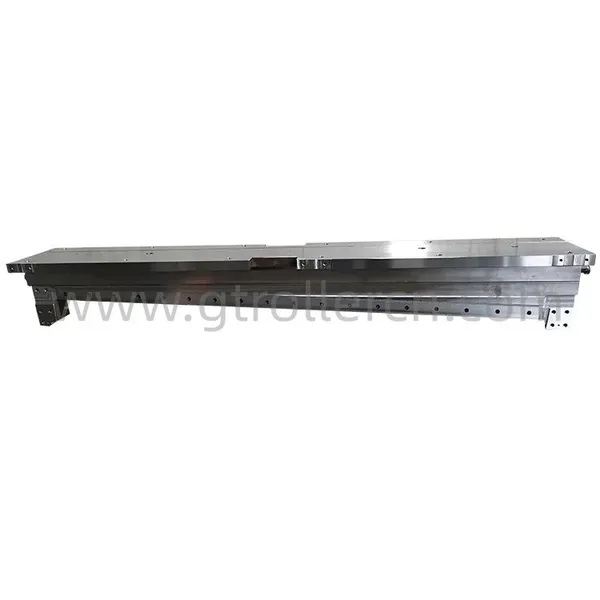
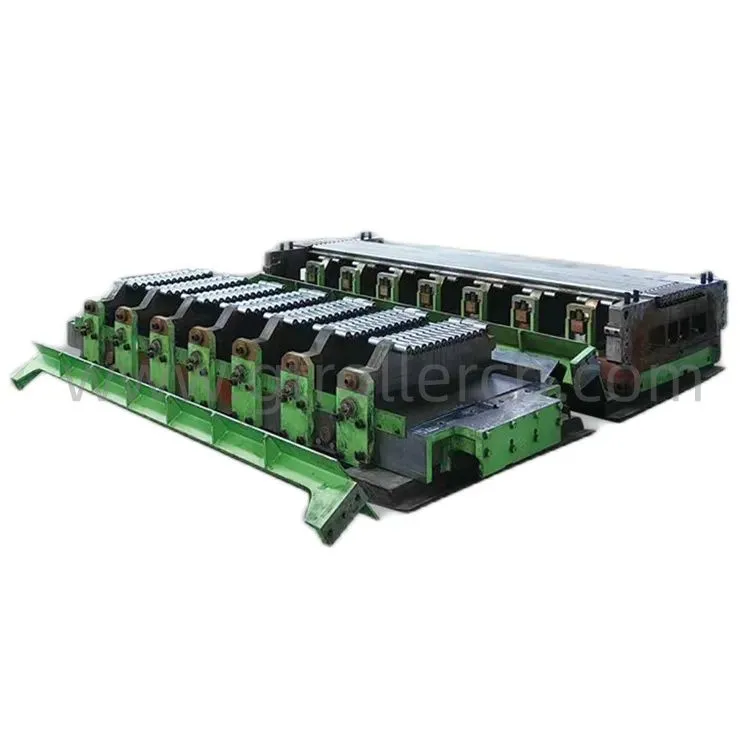
A roll cassette is a self-contained rolling assembly with Rollers, bearing housings, adjustment screws and alignment reference surfaces. Its original specification is defined by a set of geometric tolerances, surface finish and bearing clearances set during manufacturing. Once it enters service, wear appears on roller surfaces, bearing races, spacer faces and adjustment threads. Even small amounts of wear add up, changing gap uniformity, parallelism and runout.
The core steps that decide rebuild quality
A cosmetic clean and bearing swap is not a precision rebuild. A serious process starts with full disassembly and marking of all matched sets. Every component is cleaned and checked for cracks, corrosion, deformation and dimensional loss. Rollers are measured for diameter variation, taper and surface degradation. Bearing seats, shim stacks and adjustment threads are examined for wear or galling.
After inspection, the technician decides which parts can be reused, which get reworked and which must be replaced. Rollers may be ground to restore geometry, though grinding removes material and changes the working diameter. Bearings, seals and o-rings are almost always renewed. The cassette is then reassembled with controlled torque and shim stacking before alignment and runout checks.
The final stage is functional testing. The cassette is set to several gap positions, locked and measured repeatedly to confirm repeatability. Without this documented test, you cannot trust that the rebuild has returned the unit to usable precision. This is where many low-quality rebuilds fall short: they look clean, but they have not been proven to hold setting tolerance under load.
How refurbished performance compares to brand new
Refurbished units rarely match a brand-new cassette in every single metric. The working surface Ra and runout will usually be slightly higher, as shown in the table. For many production lines, this difference does not matter. If your process allows for the acceptable rebuilt tolerance band, a rebuilt cassette can run reliably for thousands of operating hours.
The biggest risk comes from hidden structural wear. If the main housing has distorted bores or bent reference surfaces, even new bearings and freshly ground rollers will not hold alignment. That is why inspection before any work is so important. The goal is not to pretend every rebuilt unit is identical to new; it is to confirm whether the unit can be returned to the tolerance window your product requires.
Frequently asked questions about Roll Cassette Refurbishment
Will a refurbished roll cassette hold the same tolerance for thin-gauge material?
It depends on your target tolerance. Thin-gauge and fine wire applications demand the tightest runout and parallelism. If the rebuild passes the strict end-of-test checks and stays within your process limits, it can work well. If your product requires the factory-new band, refurbishment may not be suitable.
What is the main difference between a rebuild and Roller Cassette Repair?
Repair usually addresses one obvious fault, such as a failed bearing or damaged seal. A full rebuild is a complete teardown, inspection, rework and validation of all critical dimensions. Repair is faster and cheaper, while rebuild is intended to restore sustained precision.
How long can a refurbished roll cassette stay in production?
Service life depends on material, line speed, lubrication and maintenance. A well-executed rebuild on a sound housing can reach 60 to 80 percent of the original service life. Poor lubrication or abrasive feedstock will shorten that window quickly.
Can I refurbish a cassette with cracked rollers or housing?
Cracks in load-bearing rollers or housing references are generally a hard stop. Welding and re-machining cracked high-load components introduces residual stress and instability. In most cases, replacement is the safer choice.
Should I rebuild spare cassettes proactively before failure?
Yes, this is a common and cost-effective strategy. Sending spare units for inspection and rebuild during planned downtime reduces emergency stops. You avoid running a cassette until it degrades so far that it damages adjacent tooling.
Recently Posted
-
Can Straightening Roll Profiles And Sizes Be Made To Order?
November 18, 2026Off-the-shelf options work for common sizes, but they often leave marks, struggle with special profiles, or cannot hit your target Read More
-
How Many Operating Hours Pass Before A Leveler Roll Cassette Needs Servicing?
November 18, 2026Many plant operators wait until flatness errors or strange noises appear before touching their leveling equipment. This reactive a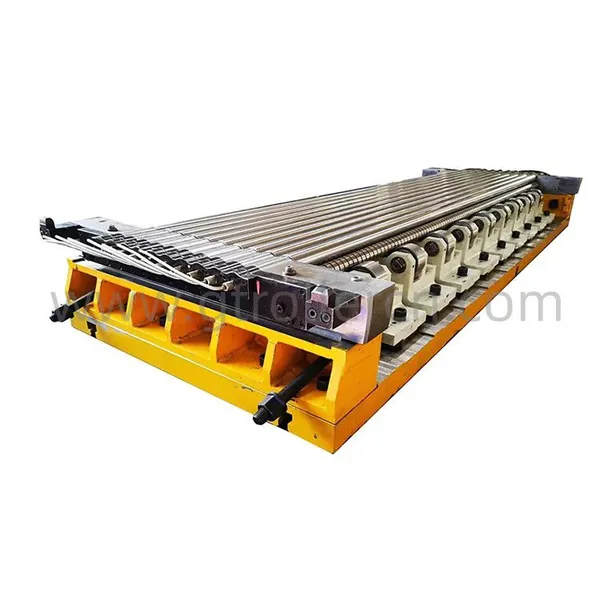 Read More
-
Steps for Adjusting and Aligning Straightening Rolls
November 12, 2026Many operators rush the setup, crank adjustment screws too far, or skip alignment checks, then wonder why the material twists, mar
Read More -
The Functions of Scale Breaking Work Roll
November 12, 2026If you work with steel pickling lines or tension leveling equipment, you have probably noticed how stubborn oxide scale can be. Th Read More