 Business License

What Role Does a Roll Cassette Play in Stabilizing Wire Rolling Accuracy?
Ask any mill operator who has fought a wobbly wire finish, and they will tell you the same thing: most diameter problems are not born inside the mill stand. They start where the guide meets the roll. I have spent years watching operators chase tolerance issues with shims, loose bolts and pure guesswork, and in almost every case a solid Roll Cassette cleaned up the problem faster than any other single fix. So let me walk you through what this part actually does, why it matters for precision wire, and how you can get the most out of it without overcomplicating your line.
What exactly is a roll cassette?
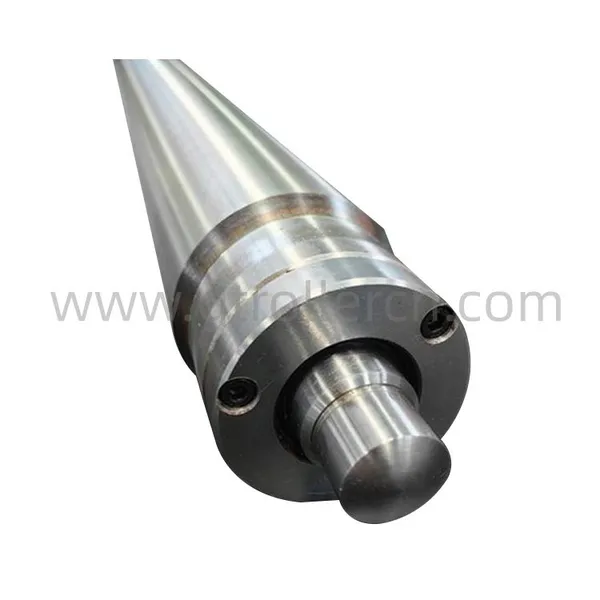
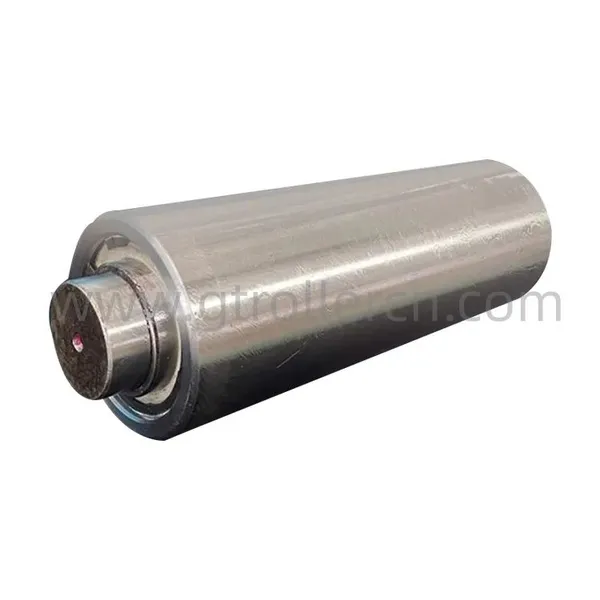
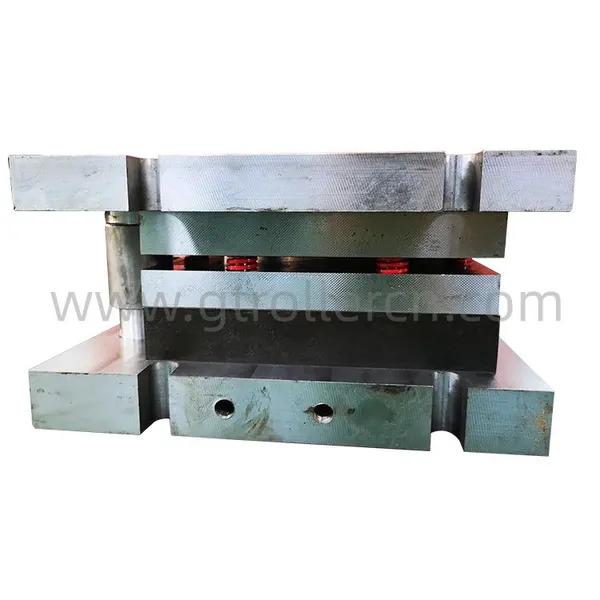
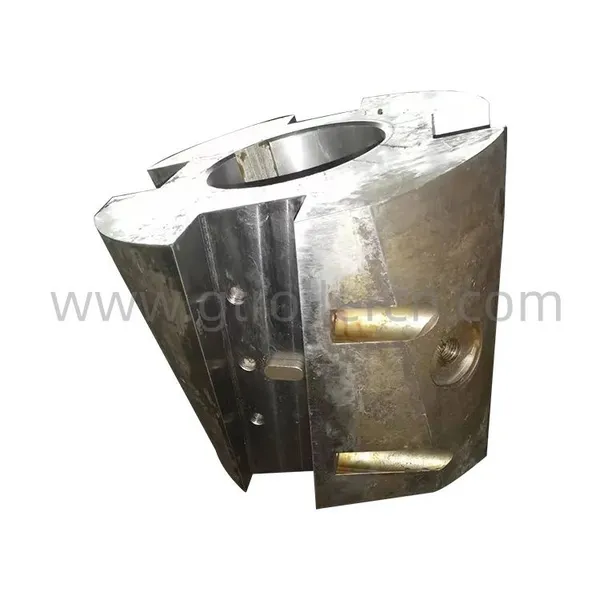
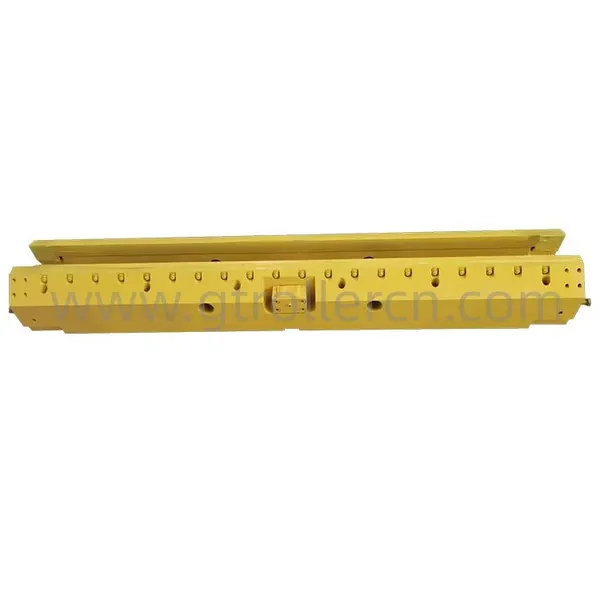
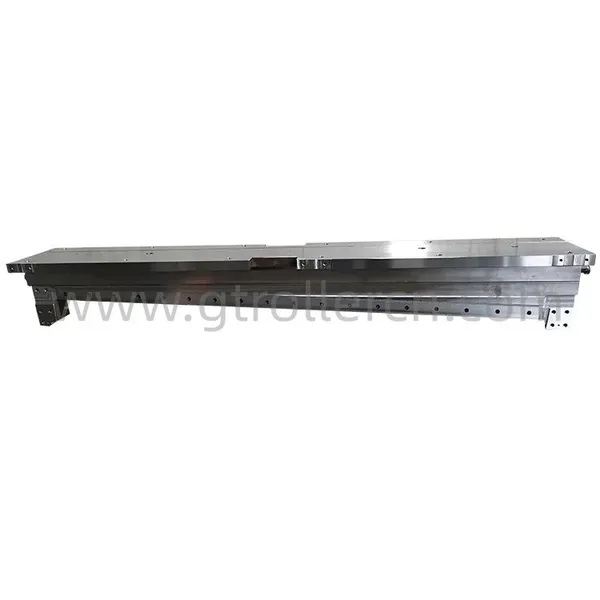
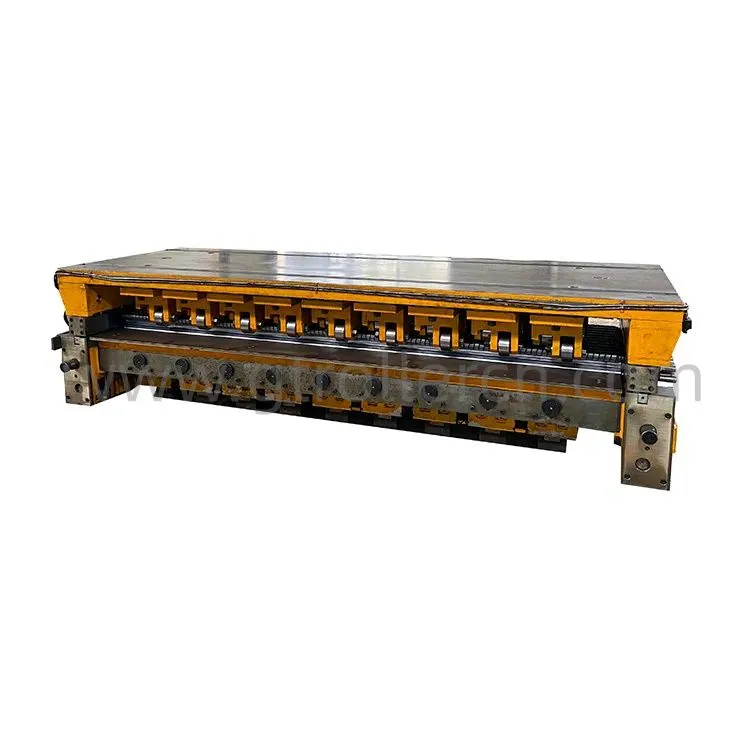
Before we get into the mechanics, let me be clear about what we are talking about. A roll cassette is a self-contained unit that holds a matched pair of guide Rolls, their bearings, shafts and preload hardware in one rigid frame. Instead of bolting loose rolls onto a housing and hoping they line up, you slide the whole cassette into a machined seat and lock it down. The geometry is already set at the factory. What you are really buying is repeatability.
The idea is simple. If every cassette is machined to the same seat dimensions and every roll pair is matched, then changing a worn cassette puts the line back to the exact same position every time. No re-tramming, no new shim stack, no trial and error on a hot afternoon.
The mechanical reasons a roll cassette tightens tolerance
Precision does not happen by accident. It comes from controlled stiffness, and that is exactly where a good cassette earns its keep. Let me break this into the parts that matter.
Rigid, repeatable mounting.Because the cassette seats against a machined face, the guide line is consistent from one setup to the next. Loose, hand-aligned rolls drift by fractions of a millimeter, and on wire that fraction shows up as ovality you can feel with your fingers.
Preloaded bearings.A cassette keeps the rolls under controlled preload. This removes axial and radial play, so the rolls do not "float" at high speed. When the bearings are snug, the wire sees a stable throat instead of a shaking one.
Matched roll pairs.Cassettes are usually supplied with rolls ground as a matched set. Because the pair shares one grind profile, the pass geometry stays symmetric, which keeps the wire centered and the diameter even across the whole length of the coil.
Controlled deflection.At high rolling forces, any unsupported guide bends. The rigid frame of the cassette spreads the load, so deflection stays small and the pass stays true under load, not just when the line is empty.
How to get precision out of it in daily operation
A good cassette helps, but only if you treat it right. Here are the habits I see working mills share, and the mistakes that quietly eat away tolerance.
Keep the seat clean.A single grain of grit under the cassette face tilts the whole unit. Wipe the seat, check the mating surfaces for burrs, and never force a cassette into a dirty pocket.
Mind your guide spacing.The distance between the roll face and the next guide matters more than most people think. Too far, and the wire has room to wander before it enters the pass. Set the spacing tight enough to guide, but not so tight that it pinches.
Lubricate on a schedule, not a whim.Bearings fail from neglect more than from load. Follow the recommended interval, use the right grease for the temperature, and log every service so you can spot wear trends before they become diameter problems.
Check preload after changes.Temperature and settling can shift preload over time. A quick check after the first few hours of a new cassette run catches problems while they are cheap to fix.
Replace in matched pairs.I have seen mills swap one roll and keep the other, only to wonder why the wire suddenly runs oval. When a roll is worn, change the pair. The geometry is matched for a reason.
Watch the pass under load.Do not judge a cassette on the bench. Watch the first few meters of wire at operating speed. If the diameter drifts early in the run, stop and inspect before you scrap a whole coil.
Common questions about roll cassette precision
What is a roll cassette used for?
A roll cassette holds and aligns the guide rolls that shape and guide wire as it passes through a rolling stand. It provides a repeatable, rigid mounting so the pass geometry stays consistent from one setup to the next.
How does a roll cassette reduce wire diameter variation?
It reduces variation by controlling roll position and stiffness. Rigid mounting, preloaded bearings and matched roll pairs keep the pass stable under load, so the wire sees a constant throat instead of a guide that moves with each pass.
What maintenance keeps a roll cassette accurate over time?
Clean the seat before every install, follow the bearing lubrication schedule, check preload after warm-up, and replace rolls as matched pairs. Logging service keeps wear predictable.
How long does a roll cassette last before it needs attention?
Service life depends on material, speed and maintenance, but a well-cared-for cassette typically runs a full preventive maintenance interval before rolls need grinding or replacement. Frequent rework is usually a sign of a setup problem, not a worn part.
What should I check before replacing a roll cassette?
Check the seat for burrs, inspect bearing play, confirm the roll pair is matched, and verify your guide spacing. A cheap setup fix often avoids an expensive replacement.
Recently Posted
-
Can Straightening Roll Profiles And Sizes Be Made To Order?
November 18, 2026Off-the-shelf options work for common sizes, but they often leave marks, struggle with special profiles, or cannot hit your target Read More
-
How Many Operating Hours Pass Before A Leveler Roll Cassette Needs Servicing?
November 18, 2026Many plant operators wait until flatness errors or strange noises appear before touching their leveling equipment. This reactive a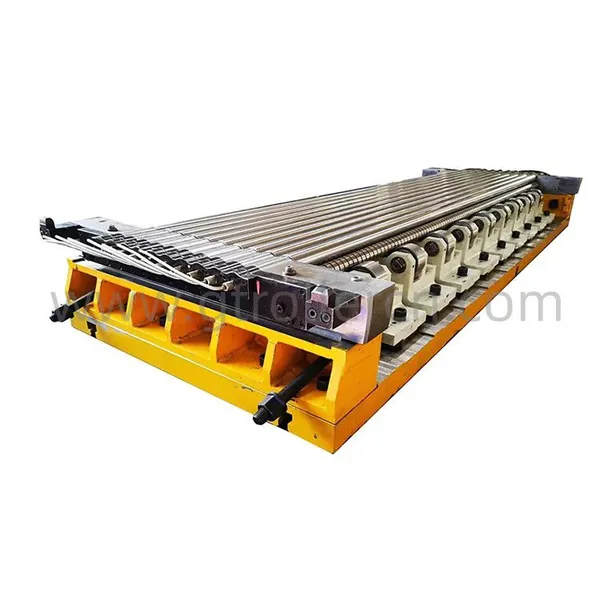 Read More
-
Steps for Adjusting and Aligning Straightening Rolls
November 12, 2026Many operators rush the setup, crank adjustment screws too far, or skip alignment checks, then wonder why the material twists, mar
Read More -
The Functions of Scale Breaking Work Roll
November 12, 2026If you work with steel pickling lines or tension leveling equipment, you have probably noticed how stubborn oxide scale can be. Th Read More