 Business License

What Leads to Accelerated Abrasion of Wet Scale Breaking Support Rolls Within Steel Rolling Lines?
The short answer is simple: this roll wears fast because it works in a rough environment. Scale, water, impact and setup errors all attack it at the same time. But here is the good news — if you understand what is actually eating the roll, you can slow it down. That is what this article is about.
What the wet scale breaking support roll actually does
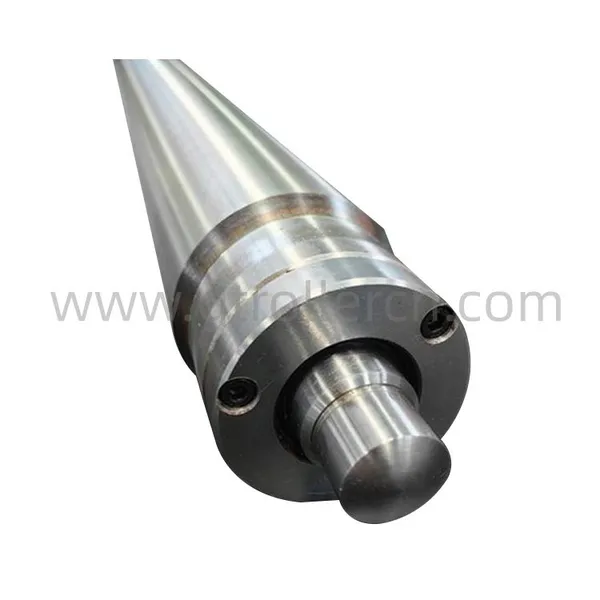
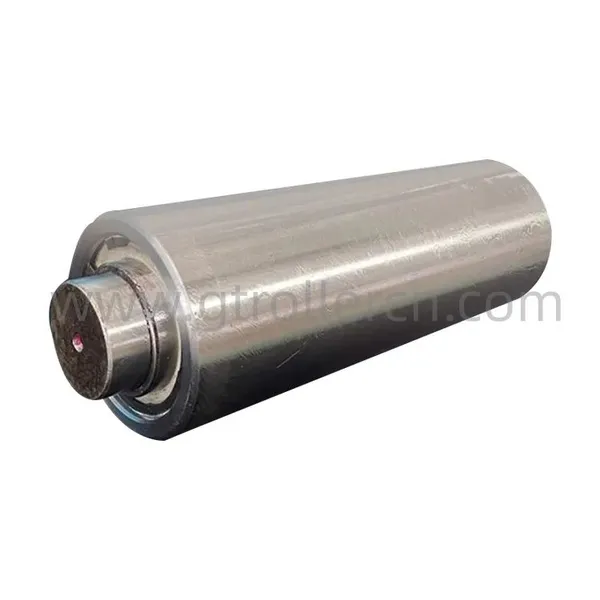
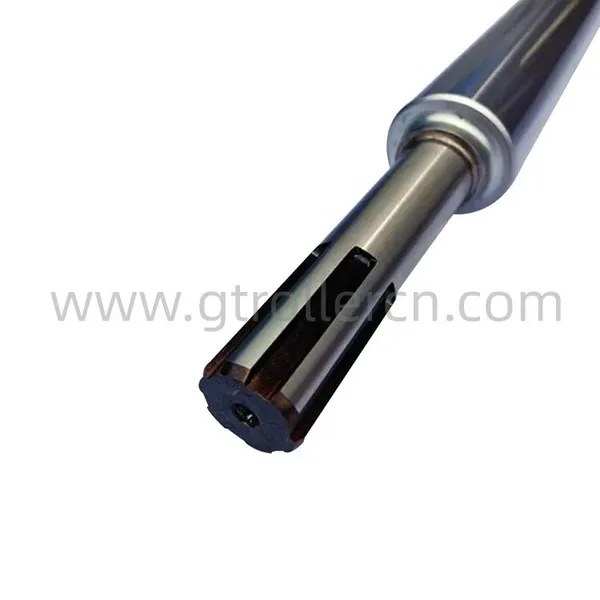
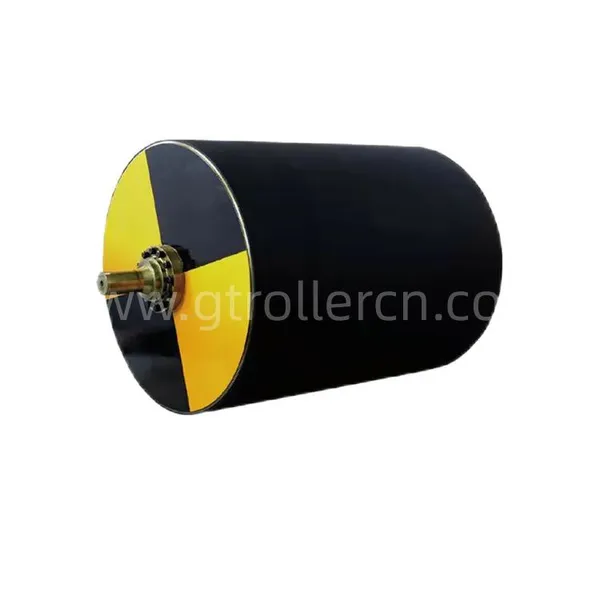
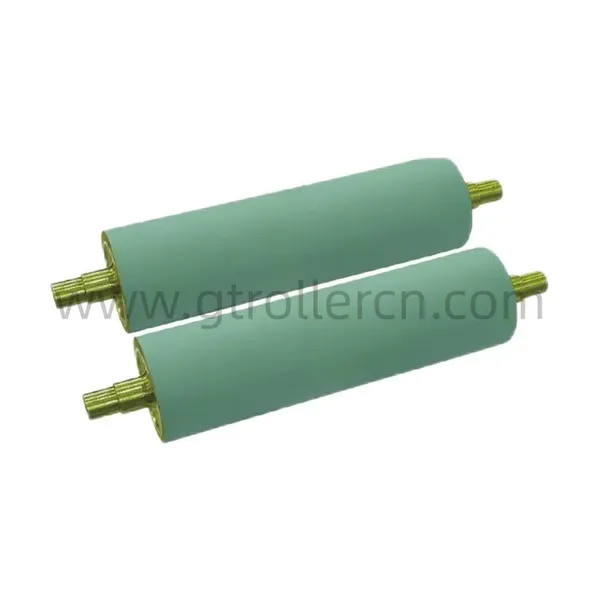
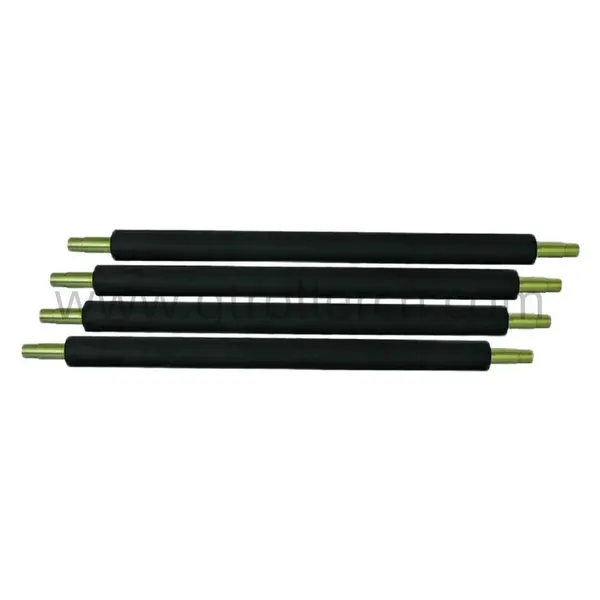
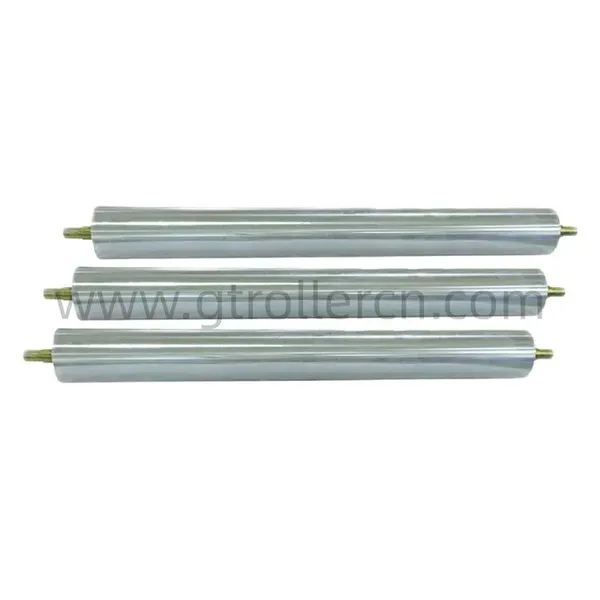
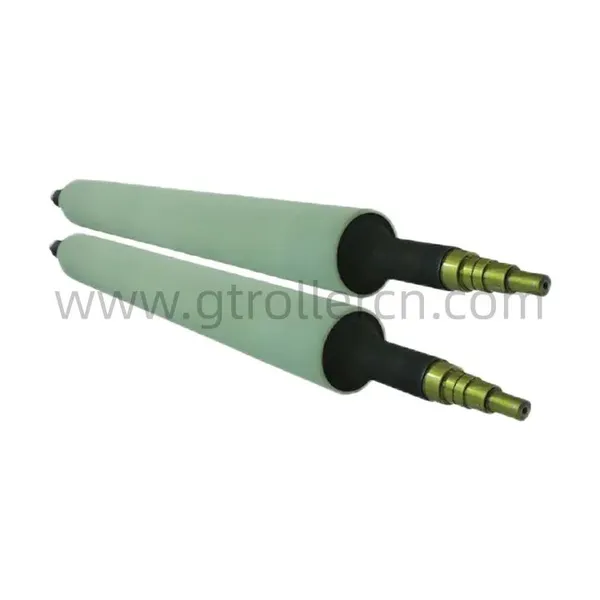
Before we talk about wear, let us be clear about the job. In a wet scale breaker, high-pressure water jets knock the brittle mill scale off the hot strip surface. The work rolls do the crushing, and the support roll sits behind them to back them up and stop them bending under load. Without a healthy support roll, the work Rolls deflect, the strip leaves the stand with uneven pressure, and the whole descaling result gets worse.
Why it wears fast — the real causes
There is rarely a single reason. Usually two or three things are working against the roll at the same time. Let us go through them one by one.
Impact and fatigue loading
The scale breaker works in short, violent bursts. Strip enters at speed with a heavy, stiff oxide layer on top, and the roll pair slams into it. Every bite creates a shock load that travels straight into the support roll. Over thousands of passes this becomes a fatigue problem. Tiny surface cracks start to grow, then pieces of the surface break out. Once that happens, the rest of the roll follows quickly, because the damaged area takes an uneven share of the load.
Abrasive scale and oxide particles
Mill scale is hard and sharp. As the strip is crushed, oxide fragments break off and get trapped between the rolls. These particles scratch and gouge the roll surface almost like sandpaper. In a wet scale breaker the water keeps washing fresh debris into the roll gap, so there is nearly always something abrasive sitting between the rolls. This is one of the main reasons the wet scale breaking support roll loses its surface finish so quickly, and a poor finish then makes the wear go even faster.
Descaling water and thermal shock
The water that makes the scale breaker "wet" also works against the roll. High-pressure water hits a hot roll surface, and the sudden cooling creates thermal stress. Combined with the heat of the strip, the roll sees repeated expansion and contraction. Over time this thermal cycling weakens the surface layer and helps cracks form. Water chemistry matters too. If the filtration is poor, sand and fine particles stay in the descaling system, and they end up right in the roll gap doing more damage.
Misalignment, set-up and roll gap issues
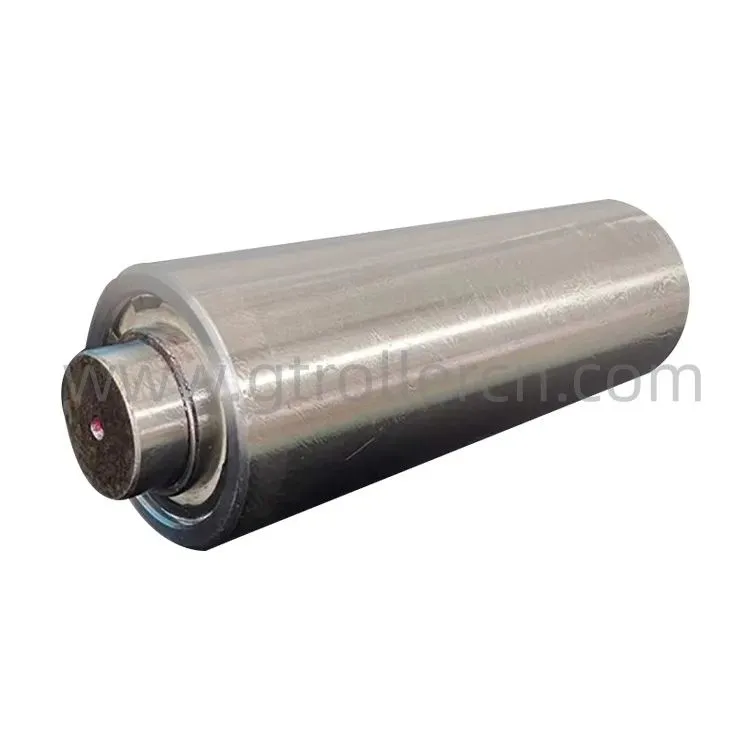
Sometimes the roll is not the problem — the setup is. If the roll axes are not parallel, or the gap is set unevenly, one side of the roll carries more load than the other. That side then wears out much faster, and the roll has to be pulled before its useful life is anywhere near over. Bearing clearance, housing wear and loose chocks all feed the same problem. A good roll in a bad stand will not last.
Practical steps to slow the wear
You cannot stop wear entirely, but you can make it predictable and much slower. The maintenance teams I have worked with usually see the biggest gains from four things:
1.Keep the rolls paired and matched.Run a support roll with the right work roll hardness, so neither one carries a bad load.
2.Watch the descaling water. Good filtration keeps sand and fines out of the roll gap. Stable water pressure and temperature reduce thermal shock.
3.Check the setup before every campaign.Parallel axes, a clean gap and good chocks do more than any roll material change.
4.Track the wear trend, not just the tonnage.Log how much wear each roll shows after every pull, and you will spot a bad setup early, before it eats a whole set of rolls.
Frequently asked questions
How long should a wet scale breaking support roll last?
Honestly, there is no single number, because service is so different from mill to mill. In a clean, well-set line a support roll can run for many campaigns. In a dirty or badly set line, the same roll can be pulled within weeks. What matters is the trend. If the life keeps dropping, something changed, and you should find out what.
Is the support roll or the work roll wearing faster?
Usually the support roll wears more evenly and lasts longer than the work roll, because it does not bite the strip directly. But if the support roll starts wearing faster than the work roll, treat it as a red flag for setup or water problems. That is not how it should behave.
Can a worn support roll damage the strip?
Yes. A damaged support roll lets the work roll deflect, and the strip leaves the stand with uneven pressure and poor descaling. You end up with scale left on the surface and inconsistent thickness across the width, which is exactly what the scale breaker is supposed to prevent.
Does harder always mean longer life?
No. Harder resists abrasive wear, but a roll that is too hard becomes brittle and spalls under impact. The best choice is a balance between hardness and toughness, matched to your real loads. Going as hard as possible often backfires.
How often should we inspect the support roll?
At minimum, inspect it at every roll change. For rolls that have shown spalling or galled marks before, check more often and pull them at the first sign of trouble, rather than pushing to the planned tonnage. Catching it early is much cheaper than a scrap.
Recently Posted
-
Can Straightening Roll Profiles And Sizes Be Made To Order?
November 18, 2026Off-the-shelf options work for common sizes, but they often leave marks, struggle with special profiles, or cannot hit your target Read More
-
How Many Operating Hours Pass Before A Leveler Roll Cassette Needs Servicing?
November 18, 2026Many plant operators wait until flatness errors or strange noises appear before touching their leveling equipment. This reactive a Read More
-
Steps for Adjusting and Aligning Straightening Rolls
November 12, 2026Many operators rush the setup, crank adjustment screws too far, or skip alignment checks, then wonder why the material twists, mar
Read More -
The Functions of Scale Breaking Work Roll
November 12, 2026If you work with steel pickling lines or tension leveling equipment, you have probably noticed how stubborn oxide scale can be. Th Read More