 Business License

What design features improve stability of a leveler roll cassette?
The work rolls in a leveler are long and slender. Under bending force, they want to flex. The Backup Rolls exist to stop that, but the backup Rolls only work if the frame holding them is stiff enough to keep them in contact with the work rolls.
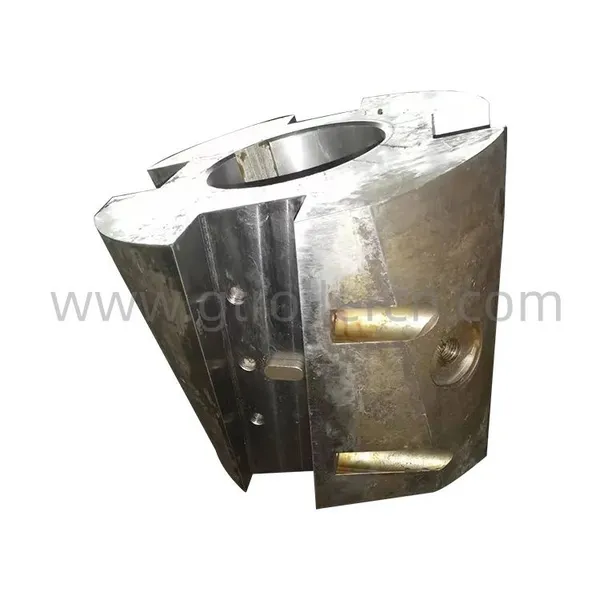
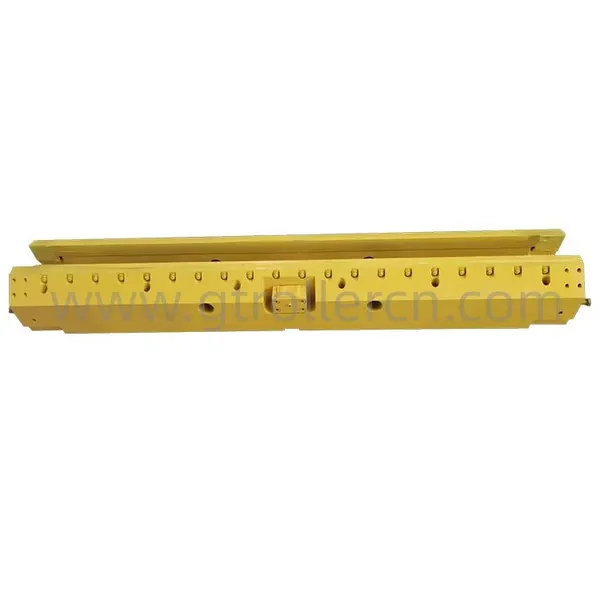
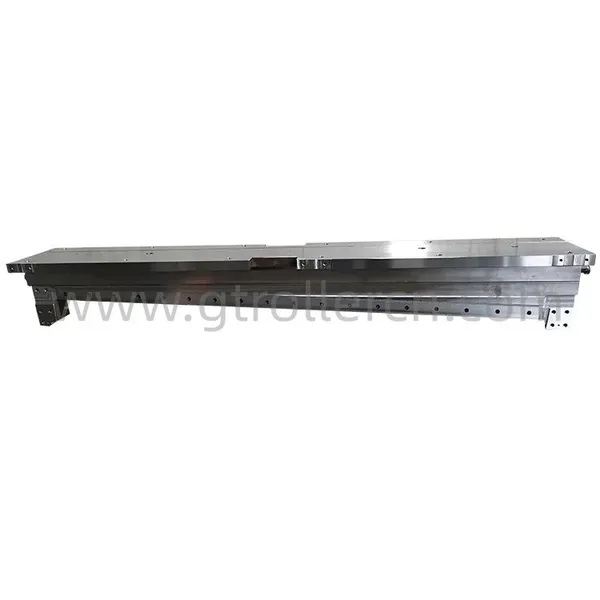
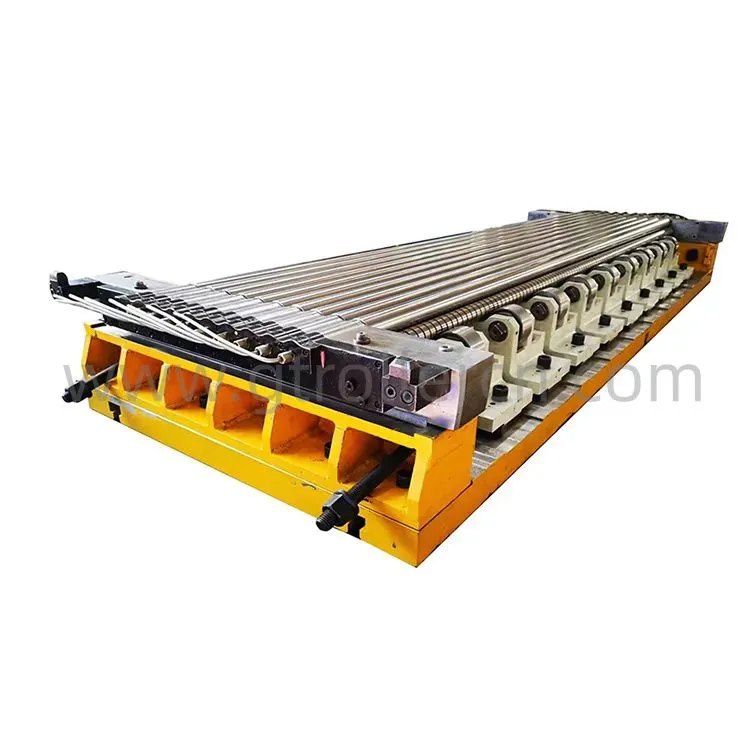
A well-designed cassette uses a rigid roll frame that supports the backup rolls along their entire length. In one cassette design, the upper cassette has an upper roll frame, elongated leveling rolls, intermediate rolls between the frame and the leveling rolls, and short backup rolls that back up the intermediate rolls . This three-layer arrangement—work roll, intermediate roll, backup roll—distributes the load across many contact points instead of concentrating it at a few spots.
The rigidity of this chain matters more than the rigidity of any single part. If the intermediate rolls deflect, the work rolls deflect with them. If the backup rolls lose contact, the work rolls bend freely. The cassette frame has to hold the whole stack together under load, and that means the frame itself needs to be overbuilt rather than optimized for weight.
Load Distribution Changes With Strip Width
Here is something that catches a lot of people off guard: the stress inside a Leveler Roll Cassette does not stay in the same place when the strip width changes. Research on bending unit cassettes found that when the strip width stays within the total support length of the backup rolls, the maximum stress appears at the contact between the backup roll and the roll seat, around 115 MPa. But when the strip is wider than the backup roll support length, the maximum stress shifts to the contact between the intermediate roll and the end backup roll, jumping to about 205 MPa .
Positioning and Alignment: The Quiet Stability Factor
A cassette can be structurally rigid and still produce bad strip if it does not seat in the leveler body consistently. The upper and lower cassettes have to be positioned relative to each other with repeatable accuracy. If the cassette shifts slightly during a roll change or under load, the roll gap changes and the flatness pattern moves.
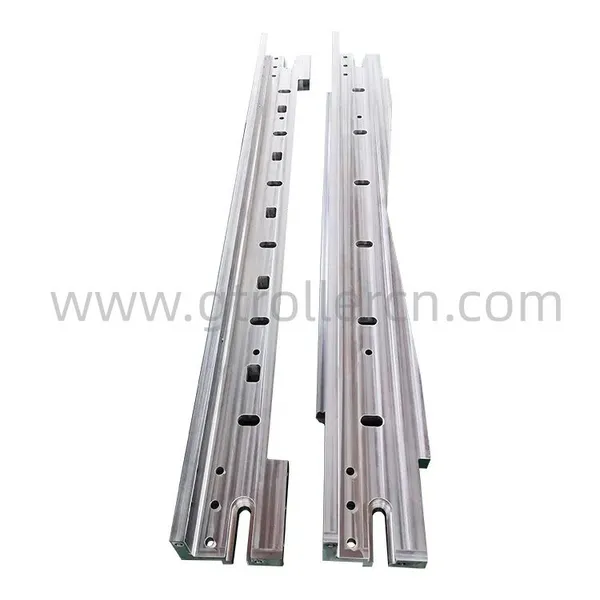
One design addresses this by using positioning members that locate the upper cassette and lower cassette when the cassette is attached . Another uses grip cylinders on the leveler frame to hold the cassette securely . The principle is the same: the cassette must be locked into a known position, and it must stay there under the vibration and force of operation.
Hydraulic wedges add another layer. In one leveler design, multiple hydraulic wedges are arranged across the sheet width and controlled based on sensor readings to minimize deflection of the upper and lower frames, as well as compressive deformation of the pressing cylinders and rolls . This is active stability. The cassette is not just built stiff; it compensates for the deflection that does occur.
Why Cassette Interchangeability Demands Extra Stability
Modern levelers often use interchangeable cassettes—one for Roller leveling thicker material, another for tension leveling thinner or higher-yield strip. The cassettes have different roll diameters and different power transmission ratios, but they have to fit the same leveler body with the same positioning accuracy .
That interchangeability puts extra demands on the design. The cassette has to be rigid enough to handle its own operating loads, but it also has to interface with the leveler body in a way that does not introduce play or misalignment. Quick-change systems that use rails and wheels for cassette movement are convenient, but the locking mechanism after the cassette is in place determines whether the stability is preserved . If the clamps or positioning members wear, the cassette moves, and the flatness quality follows.
FAQ
What is the most common stability weakness in a leveler Roll Cassette?
Insufficient backup roll support near the strip edges. When the strip is wider than the backup roll support length, stress concentrates at the end backup roll contact and can nearly double compared to narrower strip . Reinforcing the end support areas is the design fix.
Can a cassette be too rigid?
Not in a practical sense. The work rolls need some controlled deflection capability through bending or crowning systems, but the cassette frame itself should be as rigid as possible. A flexible frame makes every other adjustment unpredictable.
How does strip width affect cassette stability?
Wider strip shifts the maximum stress location from the backup roll-to-seat contact to the intermediate roll-to-end backup roll contact, with a significant increase in peak stress . A cassette that is stable for one width range may need design changes for another.
Do hydraulic wedges really improve cassette stability?
They improve the effective stability by compensating for frame deflection under load. The wedges actively adjust the gap profile to counteract the bending that occurs when the pressing cylinders apply force . Without them, the cassette relies entirely on passive stiffness.
How often should cassette positioning be checked?
At every roll change and after any event that could have stressed the cassette—a strip break, a jam, or a heavy crash. Check that the positioning members seat fully and that the grip cylinders hold without play. A cassette that rocks in its seat will never produce consistent flatness.
Recently Posted
-
Can Straightening Roll Profiles And Sizes Be Made To Order?
November 18, 2026Off-the-shelf options work for common sizes, but they often leave marks, struggle with special profiles, or cannot hit your target Read More
-
How Many Operating Hours Pass Before A Leveler Roll Cassette Needs Servicing?
November 18, 2026Many plant operators wait until flatness errors or strange noises appear before touching their leveling equipment. This reactive a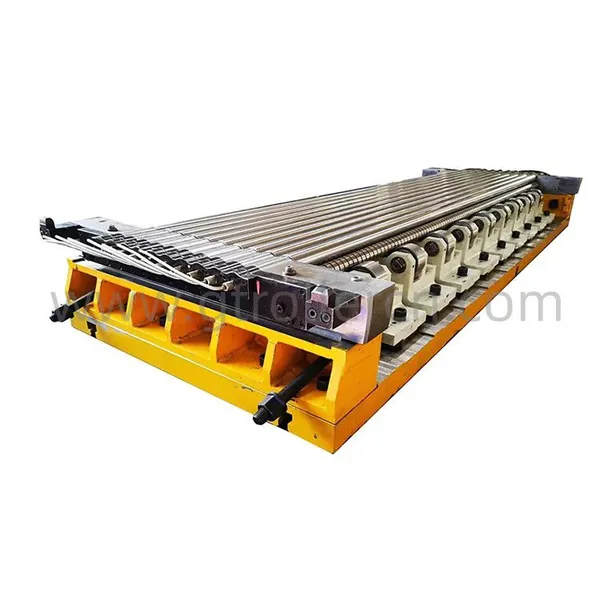 Read More
-
Steps for Adjusting and Aligning Straightening Rolls
November 12, 2026Many operators rush the setup, crank adjustment screws too far, or skip alignment checks, then wonder why the material twists, mar
Read More -
The Functions of Scale Breaking Work Roll
November 12, 2026If you work with steel pickling lines or tension leveling equipment, you have probably noticed how stubborn oxide scale can be. Th Read More